

Extract heat from the air
The outdoor unit absorbs heat energy from surrounding air, even when outdoor temperatures are low.
Smarter, more energy-efficient heating for homes and businesses. Our own MCS-certified team designs and installs air source heat pumps around your property, energy requirements and long-term sustainability goals.
At Synergy Power, we help homeowners and businesses move towards smarter, more energy-efficient heating with modern air source heat pump technology. An air source heat pump extracts heat energy from the outside air and transfers it into your property to provide space heating and, with a suitable air-to-water system, hot water. Instead of generating heat by burning gas or oil, it uses electricity to move existing heat energy.
Whether you are upgrading your home heating, planning a new commercial development or reducing the carbon footprint of an existing building, Synergy Power can help you explore a heating solution tailored to your property, energy requirements and long-term sustainability goals.
Our goal is simple: comfortable buildings, efficient energy use and cleaner heating for the future.
An air source heat pump collects heat from outdoor air, upgrades it through a refrigeration cycle and transfers it into a building.
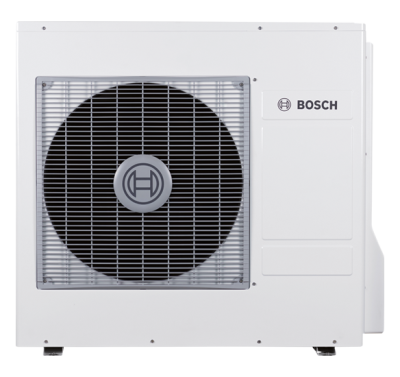
The outdoor unit absorbs heat energy from surrounding air, even when outdoor temperatures are low.
A compressor raises the refrigerant’s temperature so heat can be transferred to the building.
Air-to-water systems can supply compatible radiators, underfloor heating and stored domestic hot water.
Under suitable conditions, a well-designed heat pump can deliver around three units of heat per unit of electricity. Actual seasonal performance varies.
Heating designed around your property. Every building has different heating demands. Synergy Power’s proposed approach is to consider the property’s size, insulation, existing heating system, hot-water demand and energy usage before recommending a solution.
Understand current heating requirements and identify suitable options.
Match capacity to calculated building heat loss and expected demand.
Assess radiators, underfloor heating, pipework and hot-water storage.
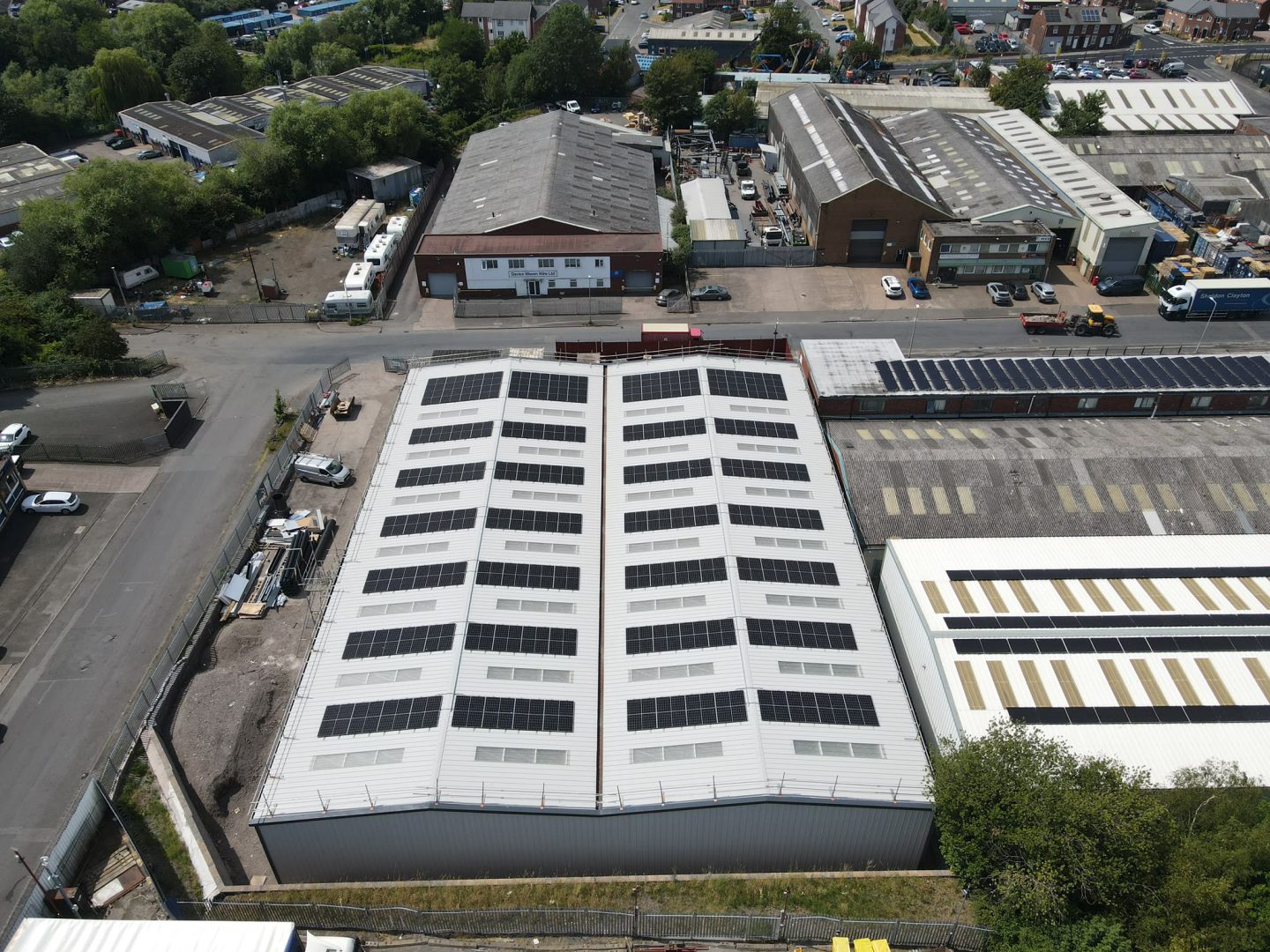
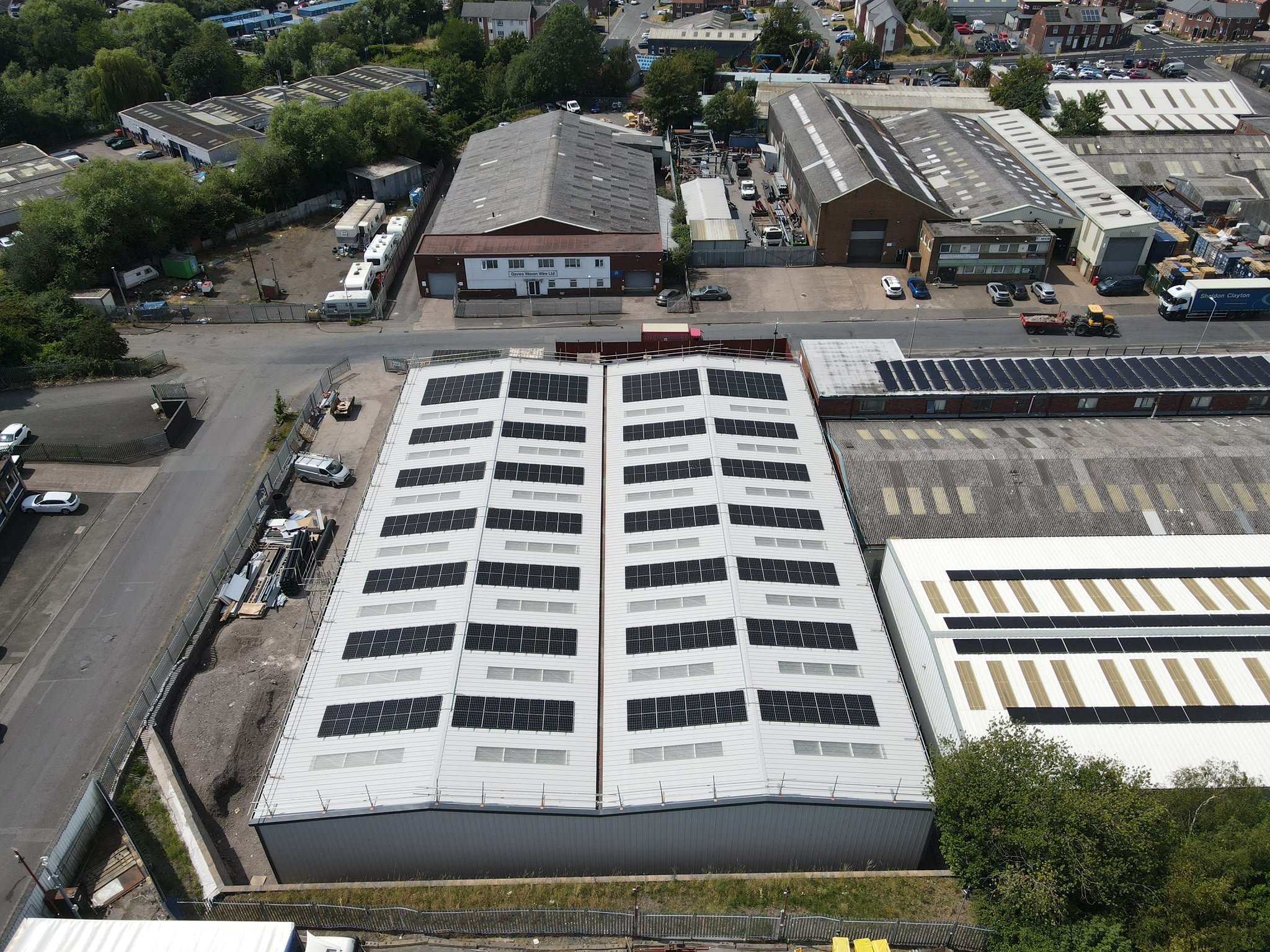
Explore how solar PV, compatible controls and electricity tariffs could work alongside the heat pump.
Consider outdoor-unit placement, noise, access and relevant building requirements.
Explain system controls, maintenance and energy monitoring.
Six components make the difference between a heat pump that just about works and one that runs efficiently.
Every design starts with a proper heat-loss calculation, not a rule of thumb such as "match the old boiler's kW".
The outdoor unit that absorbs heat from the surrounding air, sized from the heat-loss calculation for your property.
A new 150-300 L cylinder sized to your household, with fast recovery and low standing losses.
Radiators sized for 60°C flow are swapped for lower-temperature models (K3 or larger) so the pump runs at its maximum SCOP.
An outdoor sensor and weather compensation come as standard, avoiding the fixed flow temperature set-up that reduces efficiency in many heat pump installations.
A weekly thermal cycle to G3-compliant temperatures keeps stored hot water safe and compliant.
Air source heat pumps can be a strong option for homeowners looking to replace conventional fossil-fuel heating with an efficient electric alternative.
Commercial properties can have significant heating and hot-water requirements. Replacing fossil-fuel heating with a suitably designed heat pump system can help businesses reduce direct dependence on gas or oil and work towards their environmental objectives.
Choose a brand to see its heat pumps, outputs and key features.

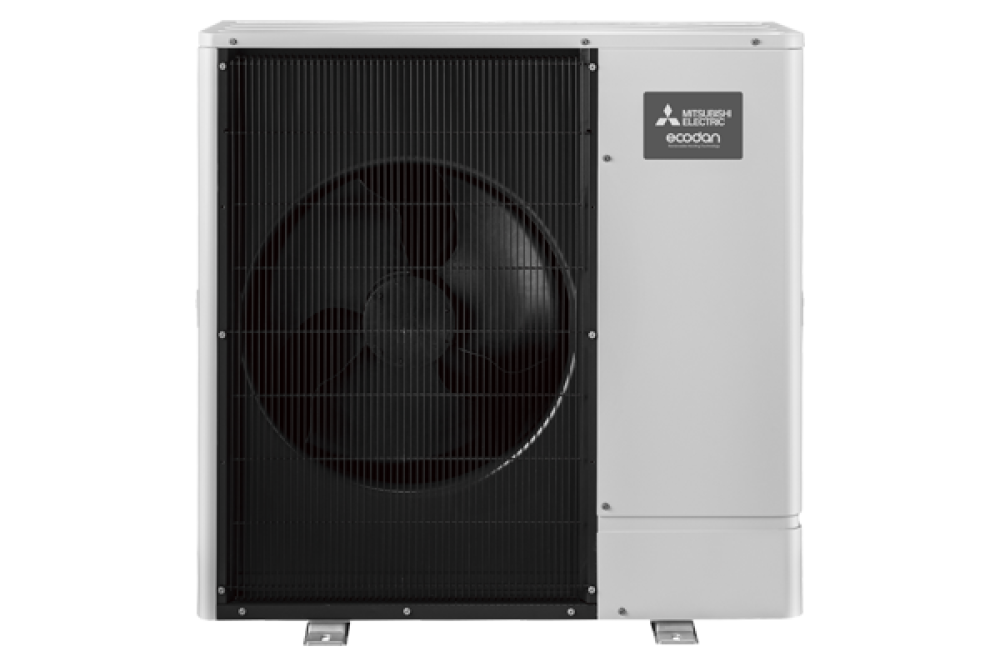 Mitsubishi Electric
Ecodan air source heat pumps, including the Ecodan R290 with guaranteed operation down to -25°C and water temperatures up to 75°C.
-25°C Guaranteed operation (Ecodan R290)75°C Water temperature (Ecodan R290)
View heat pumps

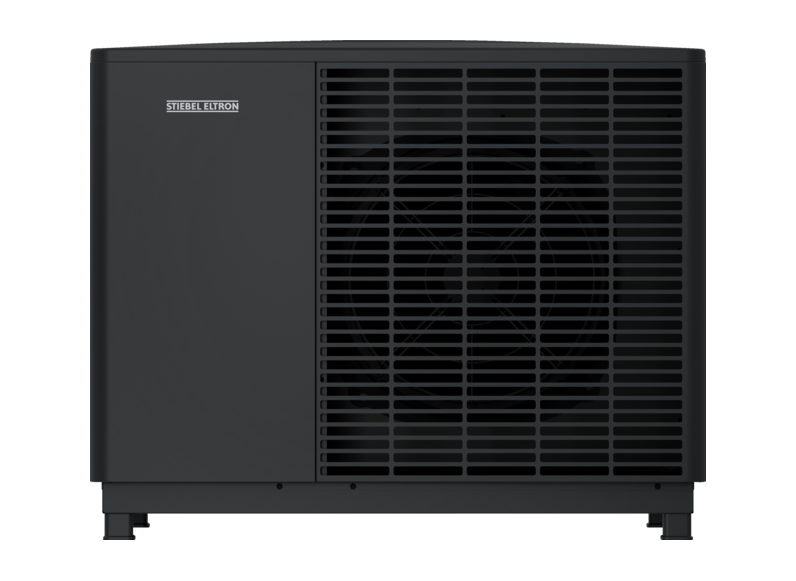 Stiebel Eltron
HPA-O outdoor air source heat pumps for heating and cooling, using the natural refrigerant R290, for new builds, modernisation and existing buildings.
R290 Natural refrigerantHeat + cool Heating and cooling in one unit
View heat pumps
Worcester Bosch
 Worcester Bosch
Compress air-to-water heat pumps, including the compact Compress 5800i AW, built for UK homes and UK weather and Quiet Mark certified.
A+++ Rated heating (Compress 7001i AW)Quiet Mark Certified (Compress 5800i AW)
View heat pumps
The heat pump models we install from each manufacturer, with their outputs and key features.
Air-to-water heat pumps with A+++ heating efficiency at 35°C and MELCloud remote control, monitoring, maintenance and technical support.
Outdoor air source heat pumps for heating and cooling, using the natural refrigerant R290, for new builds, modernisation and existing buildings.
Built for UK homes and UK weather, with easy-to-use temperature controls and a lower carbon footprint.
Product photos of the heat pumps we install.
Mitsubishi Electric EcodanStiebel Eltron HPA-OWorcester Bosch CompressThe Boiler Upgrade Scheme (BUS) is a government scheme that provides upfront grants to help reduce the cost of installing heat pumps and biomass boilers in homes and non-domestic buildings. The scheme is open in England and Wales.
The scheme is installer-led. Installers who are MCS certified can apply for and redeem Boiler Upgrade Scheme vouchers on behalf of property owners. If you are considering a heat pump or biomass boiler, you apply through an MCS-certified installer such as Synergy Power to help reduce the upfront cost.
For suitable properties, combining an air source heat pump with solar PV can help improve overall energy management.
Solar generation and heat demand do not always coincide, especially in winter. The best design depends on consumption, solar generation, battery capacity and heating requirements.
Tell us your postcode and current heating fuel. One of our heat pump advisers will call you back within one working day to discuss your home, check your eligibility for the Boiler Upgrade Scheme and apply for the grant on your behalf.
Five clear steps, typically taking 4-8 weeks from survey to commissioning.
We check BUS eligibility, your EPC and whether insulation improvements would help first.
Same dayOur engineer measures heat loss room by room, plus radiator sizes and airing-cupboard space.
1-2 hours on siteA room-by-room design, radiator or underfloor heating upgrade schedule, cylinder specification and running-cost comparison with gas.
Within 7 daysWe remove the old boiler, fit the ASHP and cylinder, upgrade radiators and commission weather compensation.
3-7 days on siteWe issue your MCS certificate and, as your MCS-certified installer, redeem your Boiler Upgrade Scheme grant on your behalf, so it comes off the cost of your installation.
Grant handled in-houseMCS MIS 3005 certification for heat pumps, RECC membership and TrustMark registration, so we can apply for the Boiler Upgrade Scheme grant on your behalf.







“A heat pump should be sized from a room-by-room heat-loss survey, not guesswork. That is how we design every system.”Synergy Power · Heat pump design team
Straight answers from our MCS-certified design team.
As a guide, for a typical UK 3–4 bedroom home the cost to you after the Boiler Upgrade Scheme grant depends on the property, any radiator upgrades and the product you choose, and your fixed-price quote shows it clearly. The grant is £7,500 for an air-to-water heat pump, or £9,000 in eligible off-gas-grid properties until 31 March 2027. The scheme is installer-led, so as your MCS-certified installer we apply for and redeem the grant on your behalf, and you do not need to apply separately.
The Boiler Upgrade Scheme is open in England and Wales, for homes and non-domestic buildings, including many owner-occupied and privately rented homes. You will need a valid EPC, the applicant must own the property, and the same installation cannot also receive certain other grants such as ECO. Scheme rules change from time to time, so we check your eligibility against the current rules as part of the quotation.
Yes. Modern air source heat pumps are designed to keep working in cold weather, absorbing heat from the outside air even when outdoor temperatures are low. What matters is correct sizing: a system designed from a proper heat-loss calculation is sized to keep your home at its target temperature in cold spells.
Usually 3-5 radiators need upgrading (typically to K3 double-panel) so the system can run at lower flow temperatures, which is where the efficiency comes from. Newer properties often need none. Our MCS heat-loss survey shows what each room needs.
Running costs depend on your home, how well the system is designed and the tariff you choose. A well-designed heat pump on a heat pump tariff such as Cosy Octopus can compare well with gas, and we model the likely running costs for your home at survey. With solar and a battery, running costs fall further on sunnier days.
Modern R290 units are rated at around 32-38 dB(A) at 3 metres. Under permitted development, MCS planning rules set a 42 dB(A) limit, assessed at the nearest neighbouring door or window, and we check the proposed position against that limit at survey.
Good insulation lowers the size and running cost of the heat pump you need, so it is worth checking first. Scheme rules on insulation have changed over time; we check your EPC and the current BUS requirements at survey and, if needed, can arrange insulation upgrades through PAS 2035 partners before the heat pump is installed.
Most air source heat pumps on houses fall under permitted development, provided the installation meets the MCS planning standards on noise and siting. Listed buildings, conservation areas and some locations may need consent, and we advise on this at survey.
Partly. A heat pump uses most energy in winter, when solar generation is lowest, but solar and a battery can still cover some of its use and can heat your hot water on sunnier days. We design heat pump, solar and battery systems to work together.
Yes. We handle the DNO notification for the additional electrical load and the building regulations notification for unvented cylinder G3 compliance. We upload the MCS documentation to the MCS database and send you the certificate.
A free heat pump eligibility and sizing assessment, with your Boiler Upgrade Scheme grant applied for by us for eligible properties.