
Rooftop solar
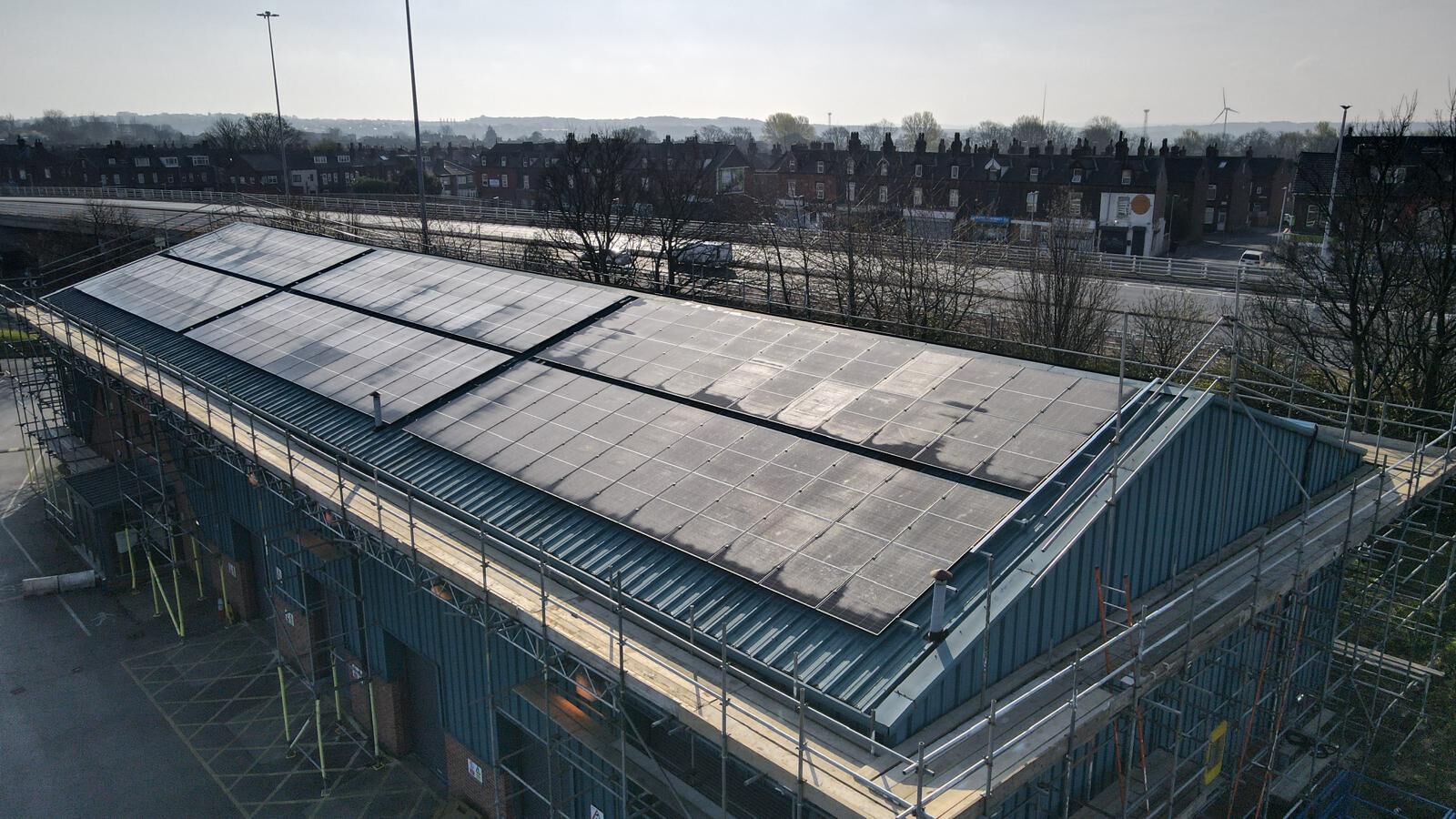
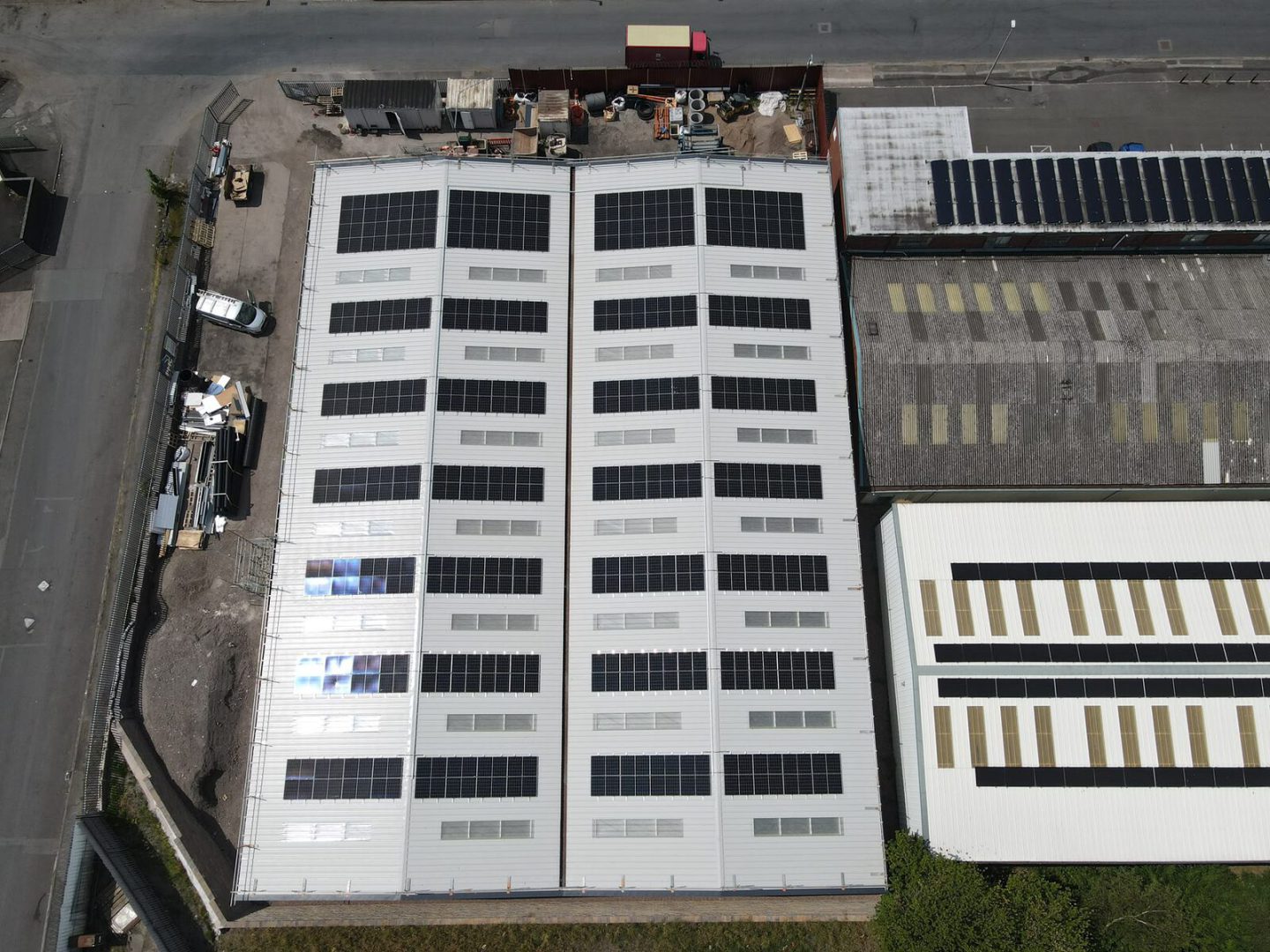
Arrays sized to the daytime demand of your offices, warehouses and service buildings.
Cut the running costs of your offices, warehouses, service buildings and community hubs so more of every pound reaches the cause. We write proposals for trustees and explain the charity funding routes and ownership models that suit how not-for-profits work.
This page is for charity chief executives, finance directors, operations managers and trustees. Energy is one of the few overheads a charity can cut for good, and the best place to start is a building you will occupy for the long term, such as an office, warehouse, distribution centre, hospice, day centre or community hub.
Most charity buildings are busiest in the daytime, when solar is generating, so you use the electricity on site rather than exporting it. A battery can shift consumption to cheaper periods and, where designed for backup, support essential services during a power cut. Your fleet vehicles can charge from the roof too.
We understand how charities make decisions. Trustees need a clear business case, reserves need protecting, and funders and supporters want to see impact. Our proposals set out savings, carbon reduction and payback in plain English, and we help you find the funding routes and ownership models open to charitable organisations.
Arrays sized to the daytime demand of your offices, warehouses and service buildings.
Makes evening use cheaper and, where designed for backup, supports essential services during a power cut.
Explore battery storageCharge vans and cars from the roof, with load management that keeps you within your site supply.
Explore EV infrastructureGenerate power over the car park when the roof is not big enough.
Explore solar carportsGeneration, savings and carbon data for trustees, funders and annual reports.
Explore monitoringHelp finding charitable trusts, foundations and community funding, and preparing the evidence for your application.
Visit the Funding HubPay from reserves, a capital appeal or a grant, and keep every pound of savings from day one.
Where the site suits it, a lease or power purchase agreement avoids capital spend. You pay a fixed cost per month or per unit of electricity instead.
Some charities raise the money from their supporters. We provide the feasibility figures and technical evidence a share offer needs.
Proposals that present savings, carbon and payback the way a board and an auditor expect to see them.
Fixed-price quotationWe size every system from your own bills and give you an estimated size, savings forecast, carbon estimate and indicative ROI.
Free feasibility studyMCS, NICEIC, CHAS and Constructionline, with the documentation your governance requires.
Procurement-readyMonitoring, planned maintenance and fault response for the life of the asset.
Operations & maintenanceWe turn your bills and building details into an estimated system size, savings forecast, carbon reduction estimate and indicative ROI.
No obligationOur engineers survey the roof, structure and electrics, and design in any resilience or fleet needs.
Own engineersA trustee-ready proposal with ownership options and the evidence funders need.
Board readyOur MCS-certified team works around your services.
Around operationsMonitoring, impact reporting and a maintenance plan.
Long-term supportShare a recent electricity bill and a few details about the building. A UK engineer will model the system and give you the figures your trustees and funders need.
Possibly. Grants from trusts and foundations, community share offers and, on suitable sites, a lease or PPA can all avoid capital spend. We set out the options in your proposal.
It may be. Buildings used solely for a relevant charitable purpose may qualify for the zero rate of VAT on solar PV and battery storage installations, currently until 31 March 2027. Eligibility depends on how the building is used, so we confirm the VAT treatment in your quotation and you should take your own advice.
Monitoring gives you generation, savings and carbon reduction figures for annual reports, impact statements and funder returns.
Yes. The array and a battery can power fleet charging, with load management keeping you within your existing supply.
Our operations and maintenance team provides monitoring, planned maintenance and fault response for the life of the asset.
We agree working days, access routes and welfare arrangements with you before we start, and plan the work around your opening hours and services. Much of the work takes place on the roof, and we leave the site clean and safe each day.
Yes. Our operations and maintenance team monitors, maintains and repairs systems we did not install, including fault response, inverter replacement and panel cleaning.
A free feasibility study from our UK engineering team, with the figures your trustees and funders need.