
Churches
Parish churches, chapels and church halls, including listed buildings.
ChurchesSolar PV, battery storage and EV charging for churches, mosques, temples, community centres, village halls, charitable organisations and sports clubs. Cut your energy costs, meet your sustainability goals and find funding, with the extra care that heritage, worship and community use call for.
This page is for trustees, committee members, clergy, imams, temple management, charity leaders and club officials who run a building that serves people, and who are watching energy bills eat into the budget that pays for that service.
Community and faith buildings are often well suited to solar: large, simply shaped roofs, daytime use, and organisations committed to the building for decades. They also need more care. Many are heritage or listed buildings, most are in use throughout the week, worship and community activities set the timetable, and the architecture matters to the people who use it.
We design around all of that. We survey the roof and structure first, give honest advice on consent, place the system sympathetically and plan installation around your calendar. Afterwards, monitoring and maintenance mean no volunteer has to become the solar expert.
Parish churches, chapels and church halls, including listed buildings.
ChurchesPrayer halls, community wings and madrasah spaces.
MosquesMandirs, gurdwaras and temples with kitchens and halls.
TemplesCommunity hubs, cafes and classrooms.
Community centresHalls that keep hire fees affordable for the village.
Village hallsOffices, hubs and service buildings run by charities.
CharitiesPavilions, clubhouses and changing rooms.
Sports clubsFunding routes for community and faith organisations.
Funding HubThe buildings that hold a community together are often the most expensive to run.
Energy is paid for from donations, hire fees and subscriptions, so every price rise falls on the people the building serves.
Lower energy costsHigh ceilings, old fabric and big halls cost more to heat and light than the organisations running them expect.
Designed for the buildingWith services, prayers, classes, clubs and events, the building is rarely empty, so daytime generation is used on site.
Daytime demandCommittees need proposals they can follow and systems that largely look after themselves.
Plain-English proposalsMost buildings start with solar. We add storage and charging where the way the building is used makes them worthwhile.
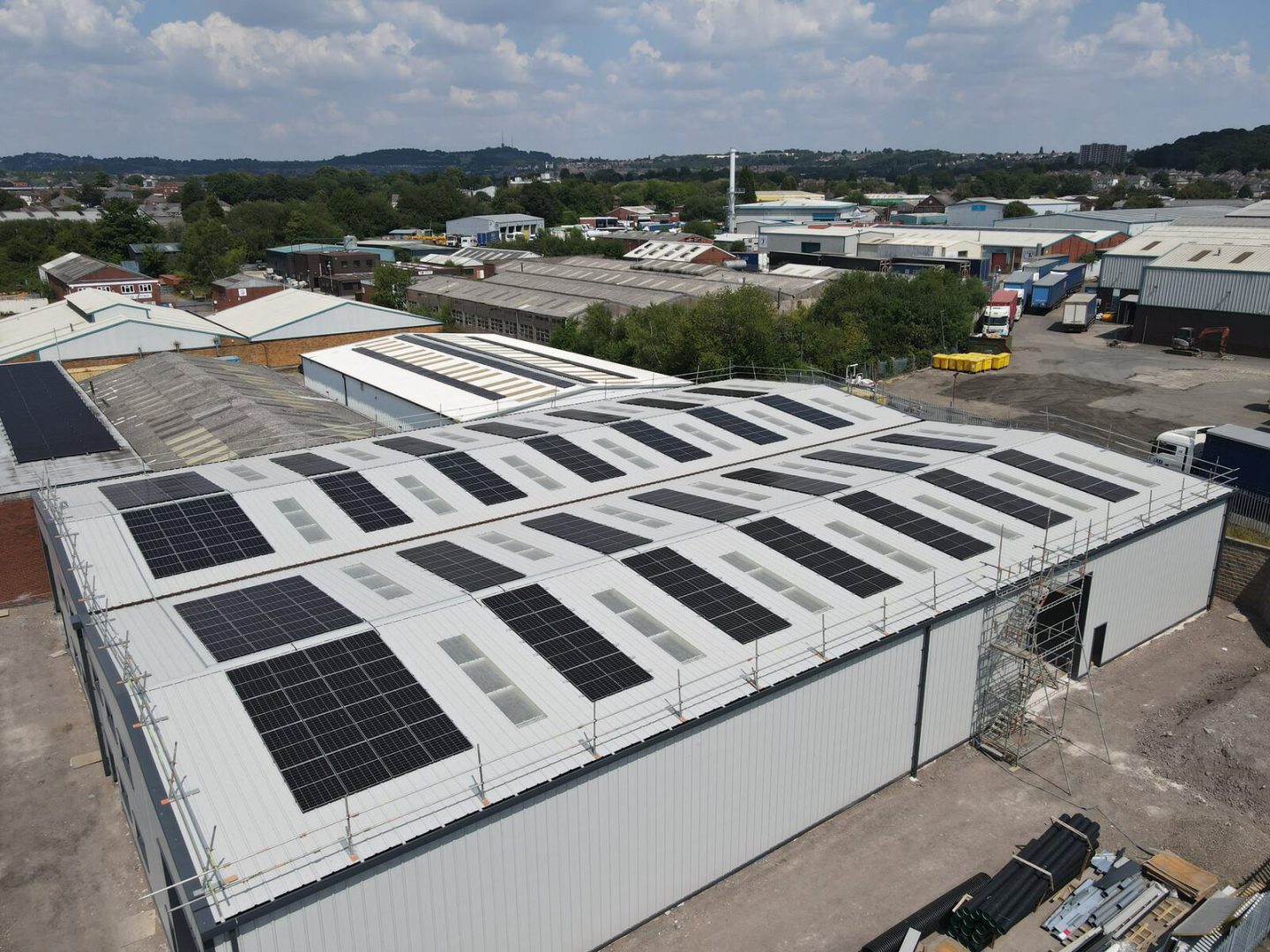
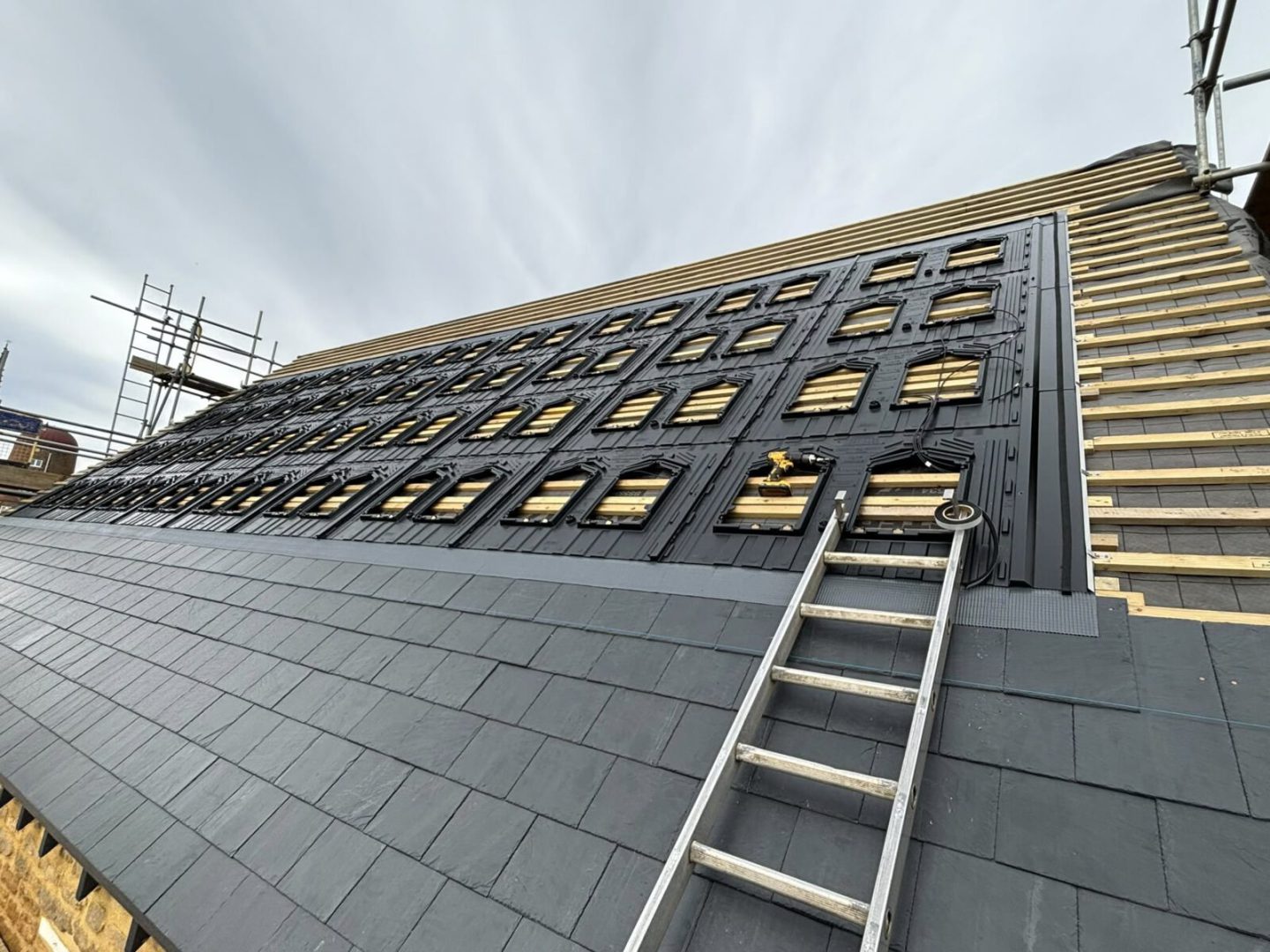
Arrays for pitched, flat and slate roofs, placed for the least visual impact and sized to the building's daytime demand. MCS-certified installation by our own team.
Where the building is busy after dark, for evening services, classes and events, a battery stores daytime generation for that use. Your feasibility study shows whether it pays for your pattern of use.
Where a car park serves the community, we fit charge points fed by the roof, with load management to stay within the existing supply, and solar carports where the roof isn't enough.
Programmes change from year to year. We check which routes suit your organisation as part of every feasibility study, and we never charge for it.
Community, faith and charitable buildings can qualify for grant programmes. Our Funding Hub explains the routes by organisation type.
Visit the Funding HubMany organisations raise the capital from their own congregation, members or supporters. We provide the figures and technical evidence an appeal or share offer needs.
Funders want to see system size, savings, carbon reduction and cost. Your free feasibility study sets all of that out in a format you can attach to an application.
Listed buildings and conservation areas need consent, and some churches need a faculty. We survey first, advise honestly on what is realistic and support the application.
Services, prayer times, festivals and ceremonies set the timetable. We agree every survey and installation day around them.
Bookings, classes, clubs and events continue. We plan around the diary and leave the site clean and safe every day.
Buildings in use during the works need careful access, welfare and safety arrangements, which we agree with you before we start.
We choose panel placement, mounting and cable routes that respect the building, and show you visualisations before anything is submitted.
A simple handover, monitoring and a maintenance plan so the committee never has to become the expert.
Share a recent electricity bill and details of the building. We model system size, savings, carbon reduction and indicative return.
No obligationOur engineer surveys the roof, structure and setting and gives clear advice on any consent needed.
Own engineersA fixed-price proposal your committee can approve, with the evidence a grant or fundraising appeal needs.
Committee readyInstalled around services and bookings by our MCS-certified team, with the site clean and safe every day.
Around your calendarSimple handover for volunteers, monitoring set up and a maintenance plan for the years ahead.
Long-term supportWe're still building our community and faith case studies. In the meantime, our residential and commercial projects show the standard every building receives.
Share a recent electricity bill and a few details about the building. A UK engineer will model the right system and give you the figures your committee and funders need.
Often, yes. Listed buildings and conservation areas need consent, and churches may need a faculty. We survey first, advise on what is realistic and design for the least visible, most sympathetic placement.
Yes. We plan installation days around your calendar, keep the site clean and safe each day and avoid the times the building is in use.
Programmes change, so rather than promise what's available, we check which routes suit your organisation as part of the feasibility study. Our Funding Hub explains the routes by organisation type.
We do. We offer monitoring, planned maintenance and fault response, so no volunteer needs to become the solar expert.
It can be. If your building is busy after dark, a battery stores daytime generation for evening use. Your feasibility study models whether it pays for your pattern of use.
Yes, for eligible systems. Surplus generation is exported to the grid, and with an MCS-certified installation you can apply for Smart Export Guarantee payments from an SEG licensee. Rates vary by supplier, so your feasibility study sets out the export assumptions.
The survey checks the roof structure, covering and access before anything is designed. If the roof needs repair first, our in-house roofing team can carry it out under the same contract.
A free feasibility study from our UK engineering team, with the figures your trustees and funders need.