
Dock 2, 3 & 4, Leicester.
A phased rooftop solar programme.
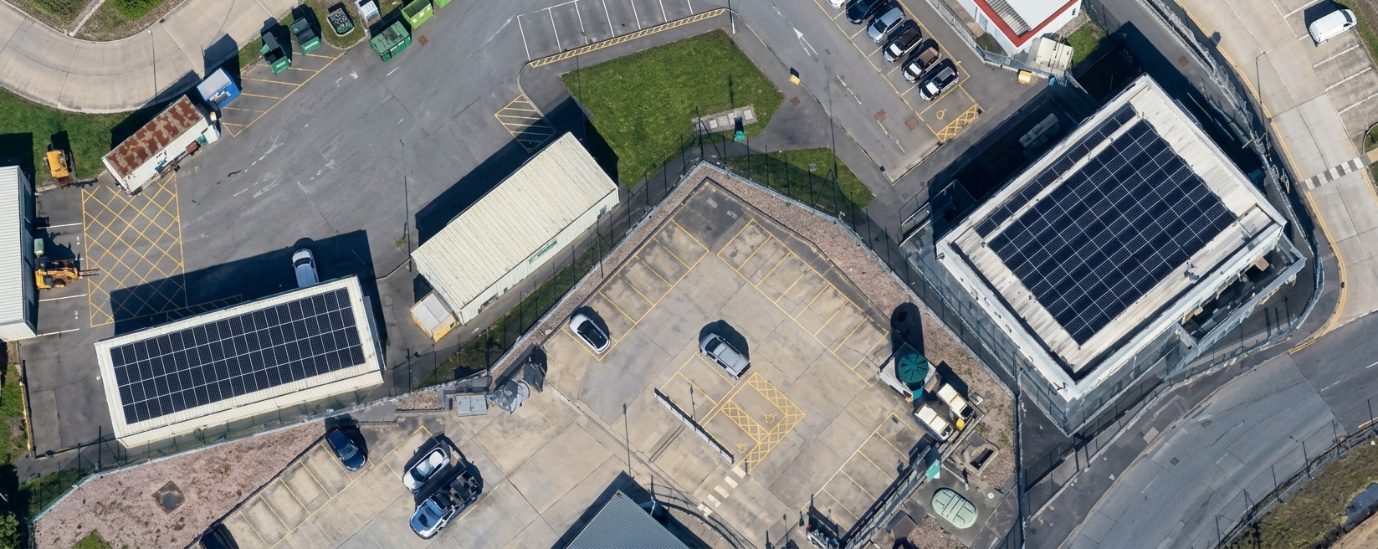
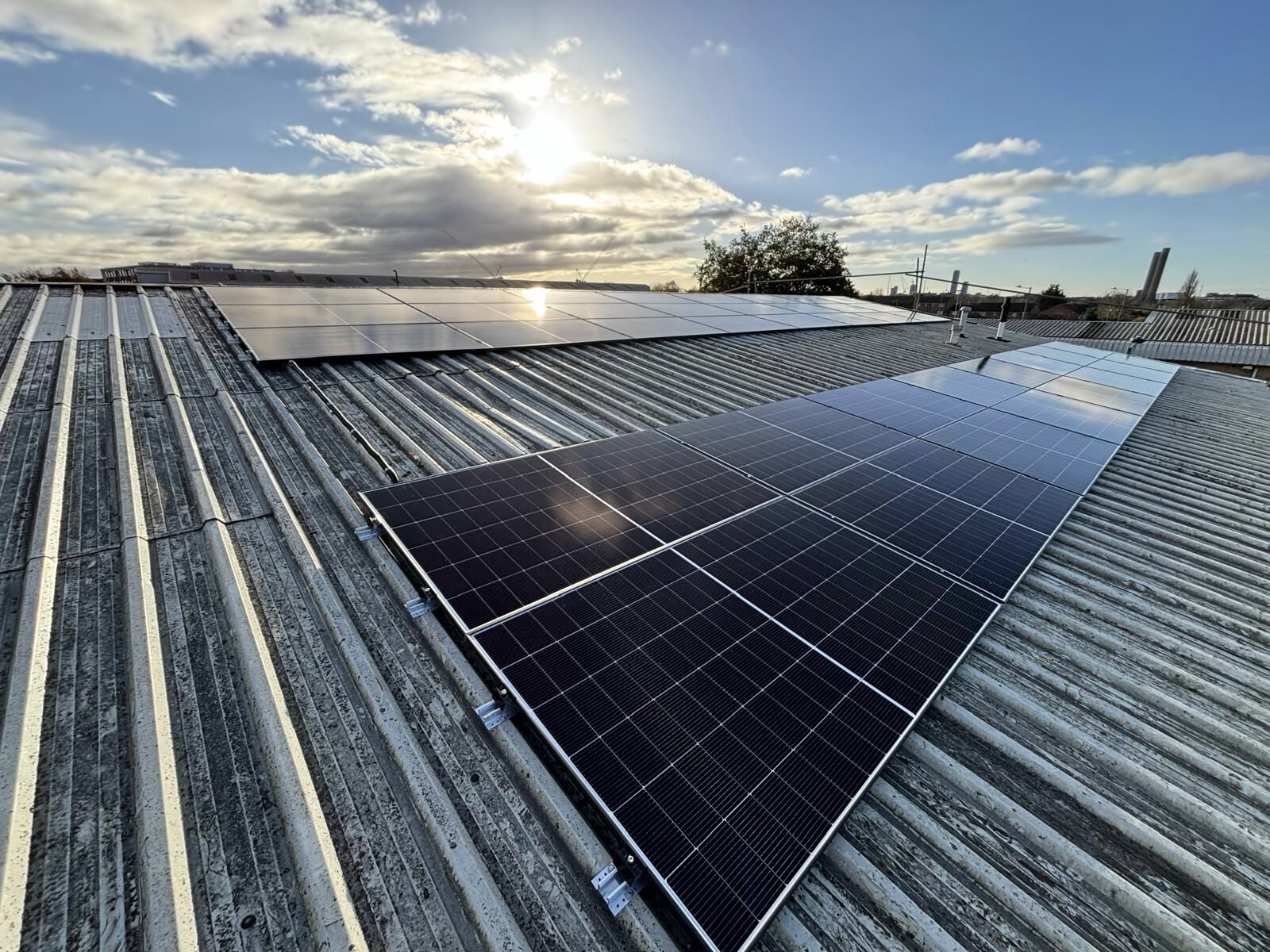
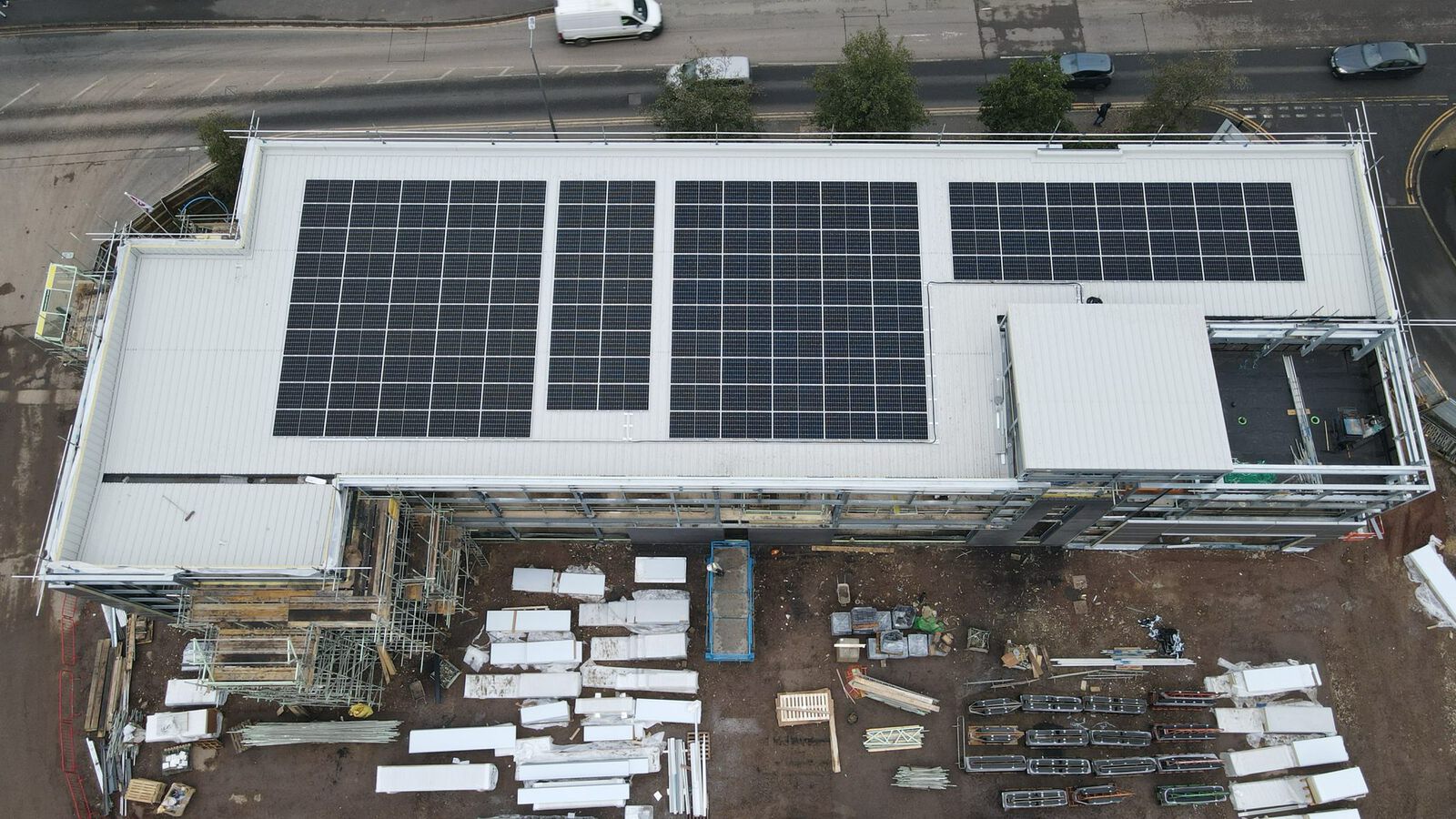
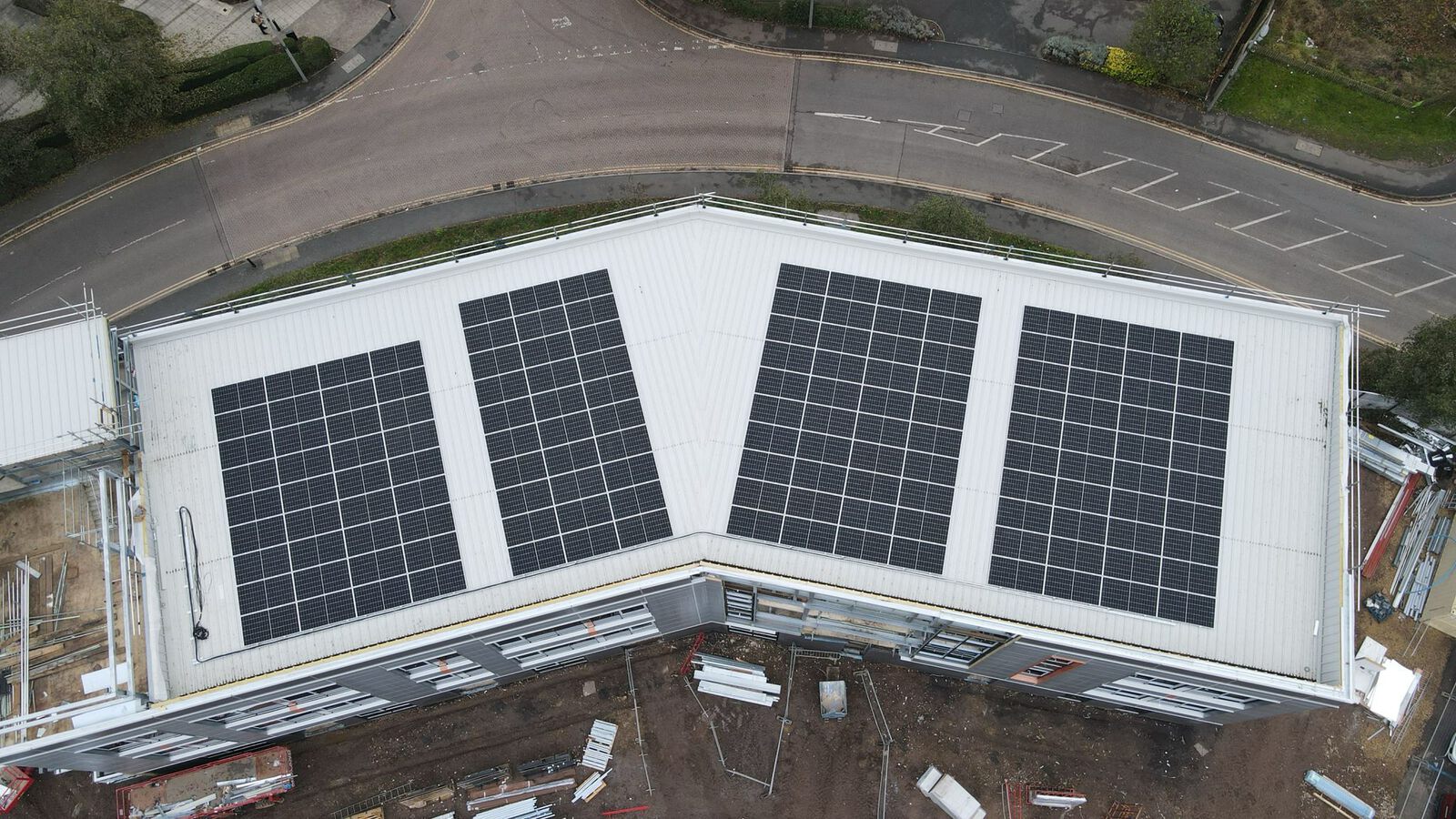
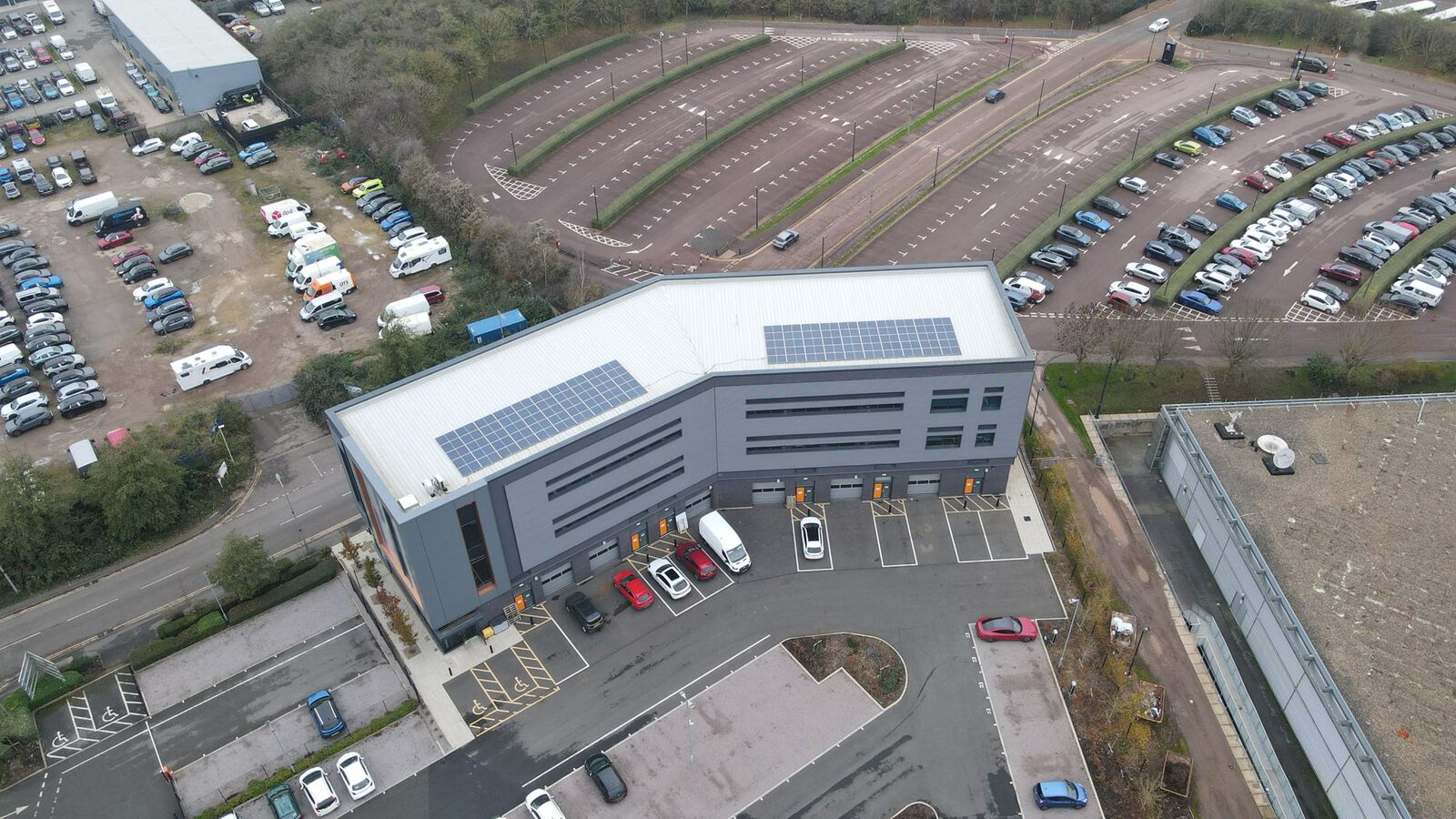
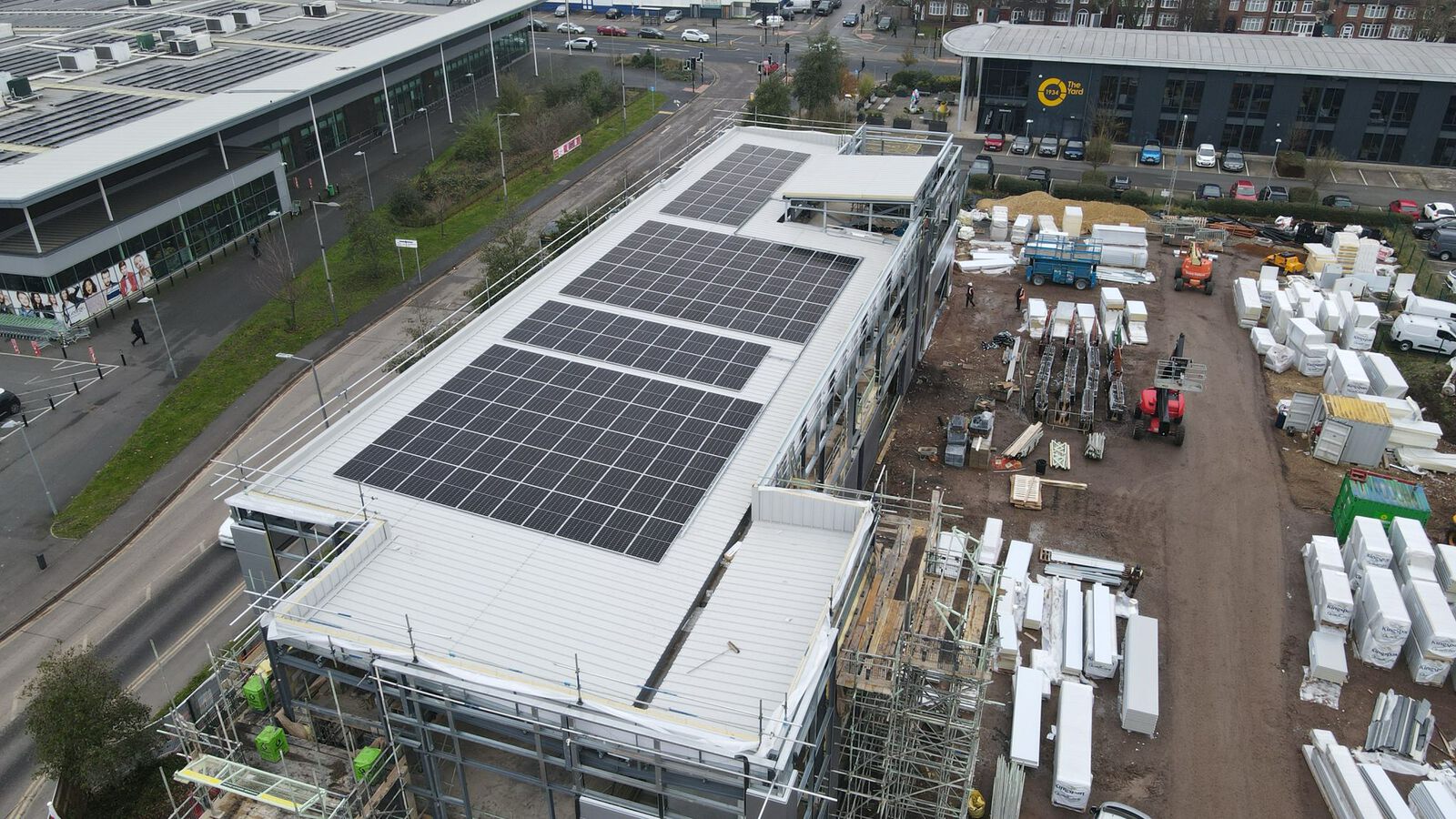
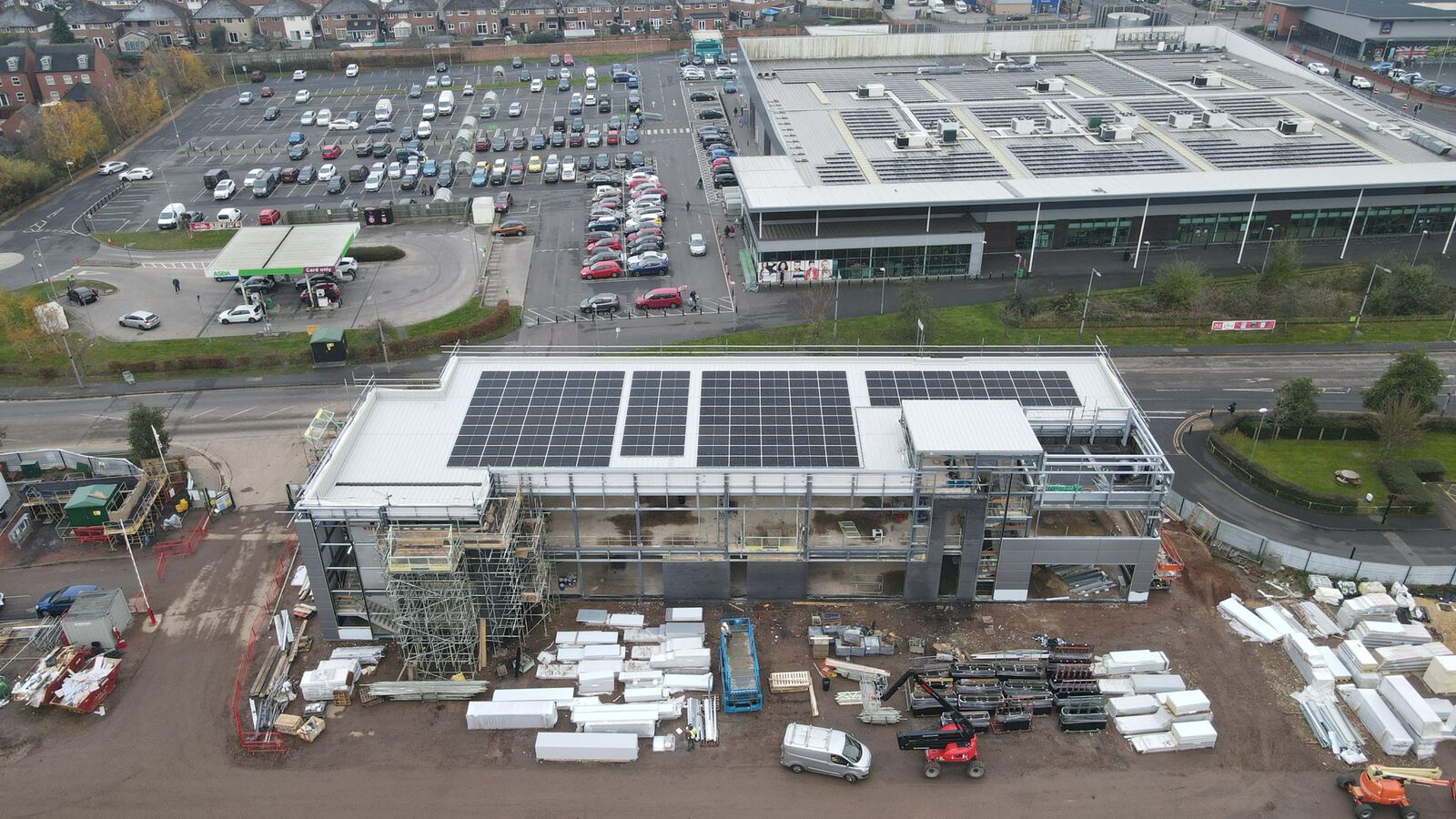
Three rooftop solar PV systems across a busy multi-dock commercial facility on Exploration Drive, Leicester: Dock 2 (28.5 kWp, February 2021), Dock 3 (66 kWp, April 2024) and Dock 4 (73 kWp, April 2024), with each installation completed within a two-week programme.
- 3Rooftop systems
- 28.5 / 66 / 73kWpDock 2 / 3 / 4
- 2021–24Phased delivery
- 2wksEach installation
Three buildings, three years,
no disruption to operations.
The client runs a busy multi-dock commercial facility in Leicester that supports logistics and industrial operations. Energy use across the site is significant, driven by operational equipment, lighting and long working hours. Facing rising energy costs and growing pressure to improve sustainability, the client wanted a long-term renewable energy system that would cut operating costs and support its carbon reduction targets.
The project called for a phased installation across three separate dock buildings over a three-year period. Each installation had to be scheduled carefully to avoid disrupting daily operations. Every roof needed a structural assessment to confirm it could carry a solar array, and the electrical integration had to stay consistent across installations delivered years apart.
Different system sizes, and equipment that moved on over that period, made it harder to keep the design consistent and performance high.
Three bespoke systems,
one consistent design.
We designed and delivered three solar PV systems, each sized for its own dock. Phasing the installations let the client spread the investment while steadily increasing renewable generation on site.
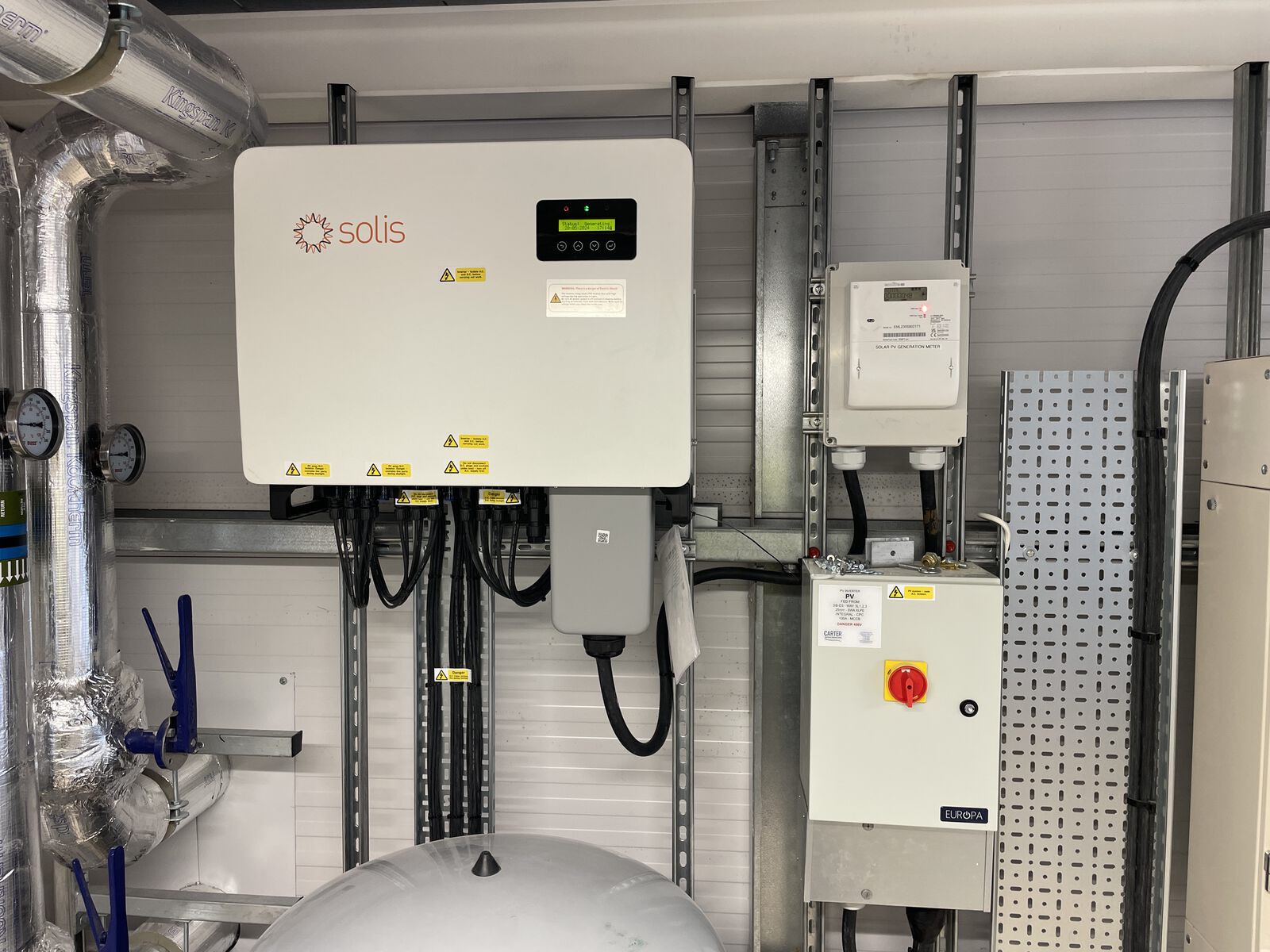
We selected high-efficiency solar panels and proven three-phase inverters for long-term reliability, efficiency and return on investment. A trapezoidal direct fix mounting system was used on every installation for a secure, durable fixing.
Detailed structural surveys confirmed roof compatibility and safe load distribution. Panel positioning was optimised for solar exposure and generation efficiency, and inverters were chosen for compatibility, scalability and monitoring. Each phase was designed to integrate with the last and to allow for expansion later.
Dock 2
- System size
- 28.5 kWp
- Panels
- 100 × 285 W Trina
- Inverter
- 25 kW Growatt three-phase
- Mounting
- Trapezoidal direct fix
- Installed
- February 2021
Dock 3
- System size
- 66 kWp
- Panels
- 132 × 500 W JA Solar
- Inverter
- 60 kW Solis three-phase
- Mounting
- Trapezoidal direct fix
- Installed
- April 2024
Dock 4
- System size
- 73 kWp
- Panels
- 146 × 500 W JA Solar
- Inverter
- 60 kW Solis three-phase
- Mounting
- Trapezoidal direct fix
- Installed
- April 2024
Each dock completed
within a two-week programme.
Each installation was completed within a two-week programme, and careful coordination meant site operations carried on without disruption.
- Stage 01
Planning
Detailed planning and structural surveys for each dock roof.
Per dock - Stage 02
Mounting system
Trapezoidal direct fix mounting system installed safely.
All three docks - Stage 03
Panel fixing
Panels fixed and connected across the array.
Trina and JA Solar - Stage 04
Inverter & electrical
Inverter connection and full electrical integration.
Growatt and Solis - Stage 05
Testing & commissioning
Rigorous testing and commissioning to confirm performance and compliance with industry standards.
Within 2 weeks
Performing in line
with expectations.
Together, the completed installations generate renewable electricity across the site, reducing reliance on the grid and improving overall energy efficiency. The systems are expected to lower the client’s electricity bills and improve their sustainability reporting. Metered results will be added once confirmed.
Generation figures are the estimates recorded in the project document, based on a UK average of approximately 900 kWh per kWp per year; they are not metered results.
Across the docks
at Exploration Drive.
Discuss a project
like this one.
Tell us about your site and a UK engineer will model the right mix of solar, storage and EV charging for you. No obligation.
- Estimated system size
- Estimated bill savings
- Carbon reduction estimate
- Indicative payback